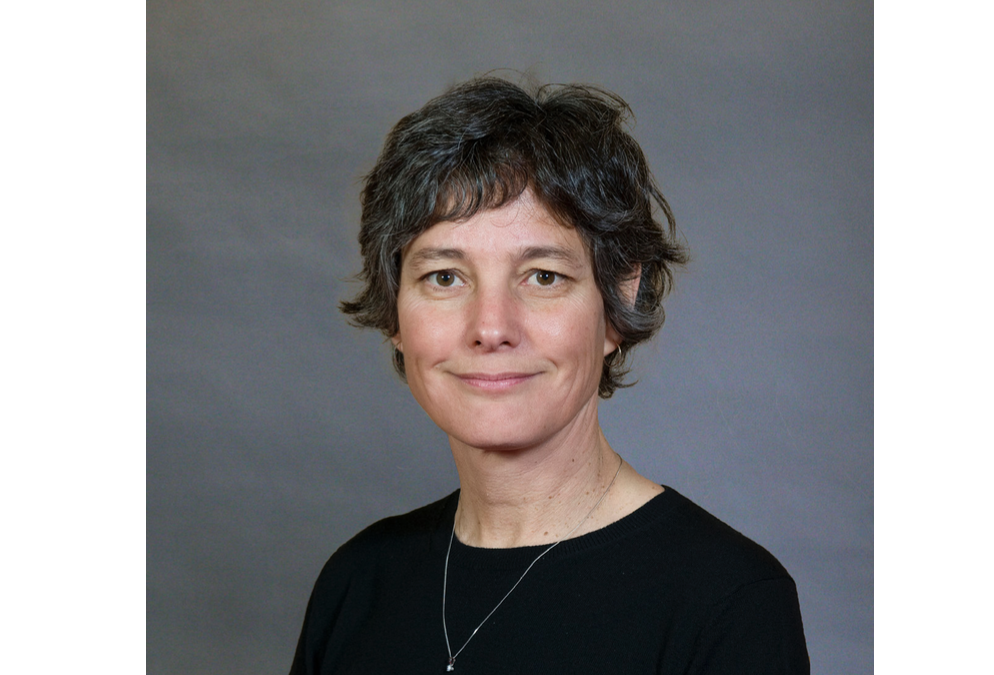
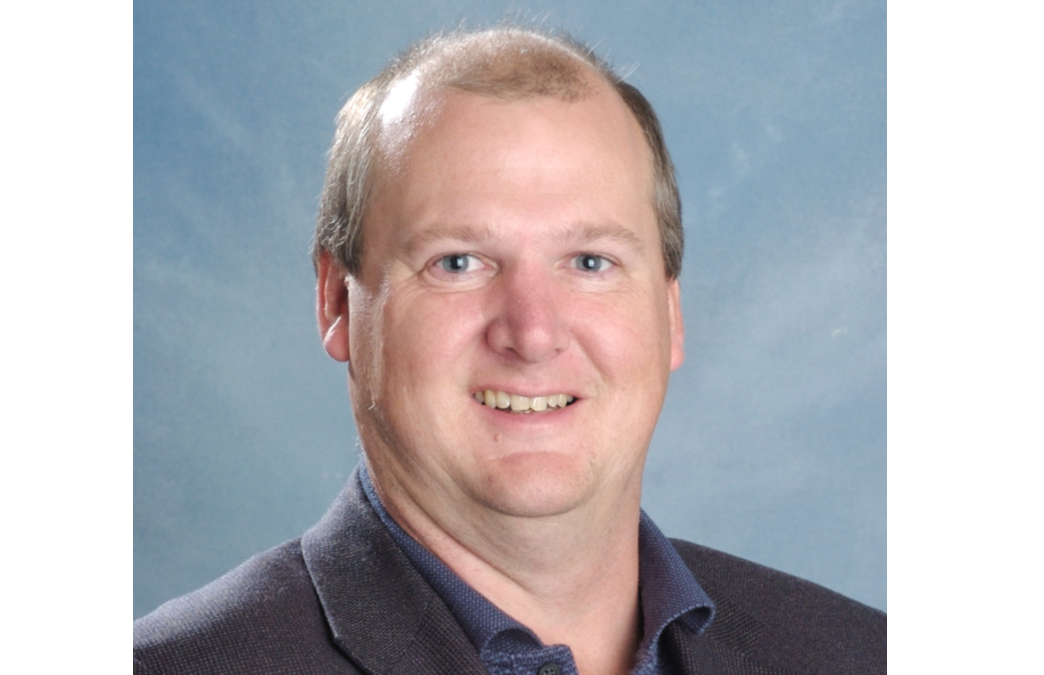
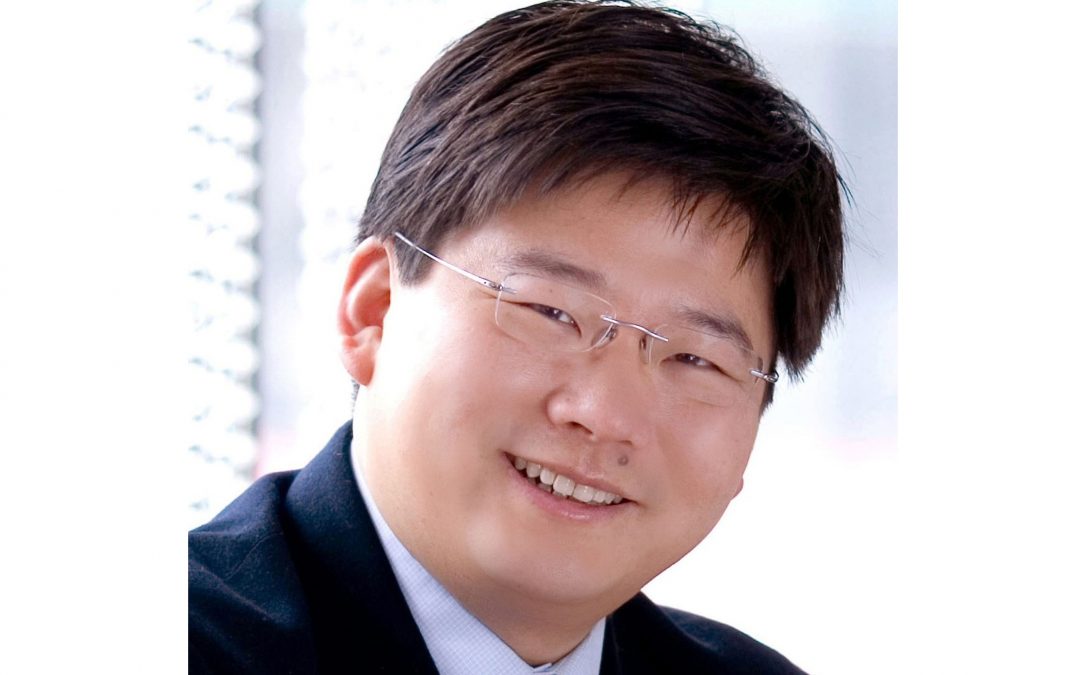
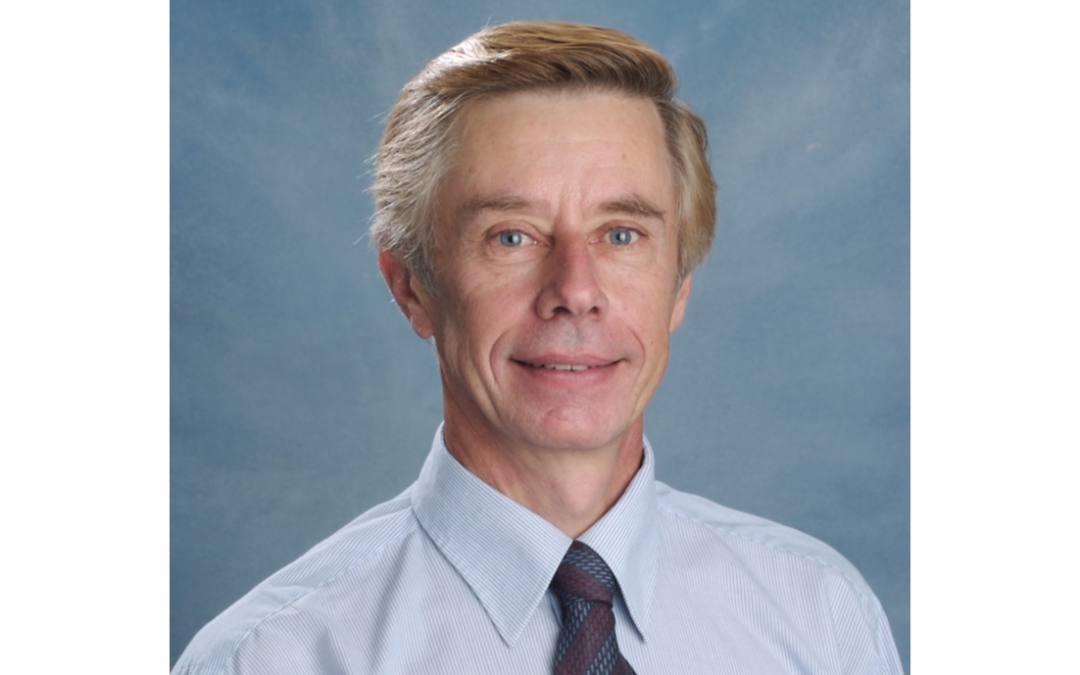
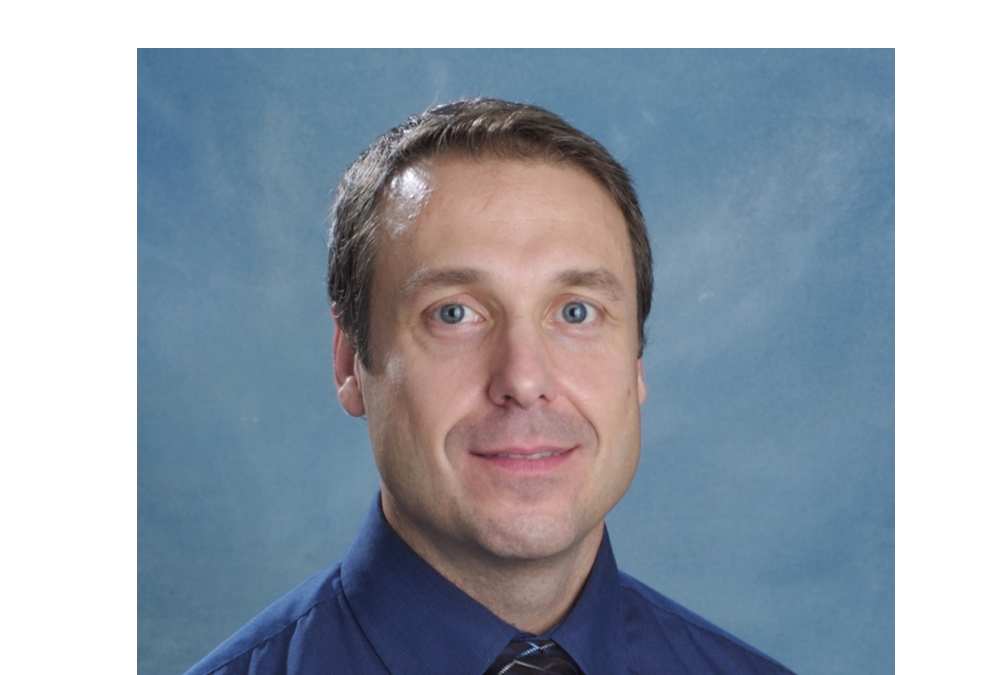
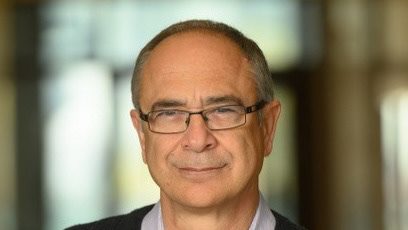
B.A.Sc., M.A.Sc.(University of Toronto), Ph.D. ( Waterloo ), P.Eng. Professor, Department of Chemical Engineering and Applied Chemistry, University of Toronto
Areas of Expertise
Bioprocess engineering for production of chemicals, fuels and materials
Biological waste treatment of wastewater and air emissions
Environmental aspects of pulp and paper
Expert witness & scientific research reviews
Current Projects
Photobioreactors for photosynthetic organisms
Microalgae for food, fuels and biochemicals
Wastewater and biosolids treatment in pulp and paper
Bioprocess Engineering, Biological Water Treatment, Biofiltration, Environmental Engineering, Pulp and Paper and Environment, Transport in bioreactors, Algae, and Biofilms.
Consulting Activity
Technical advice on the treatment of wastewaters and air emissions, pulp and paper environmental issues and processes involving biological systems (cells, biosludges, algae, enzymes, etc.). Also provide analysis and advice in areas of technical expertise in support of insurance claims and litigation. Provide advice to government on research tax credit claims and alternative dispute resolution.
About
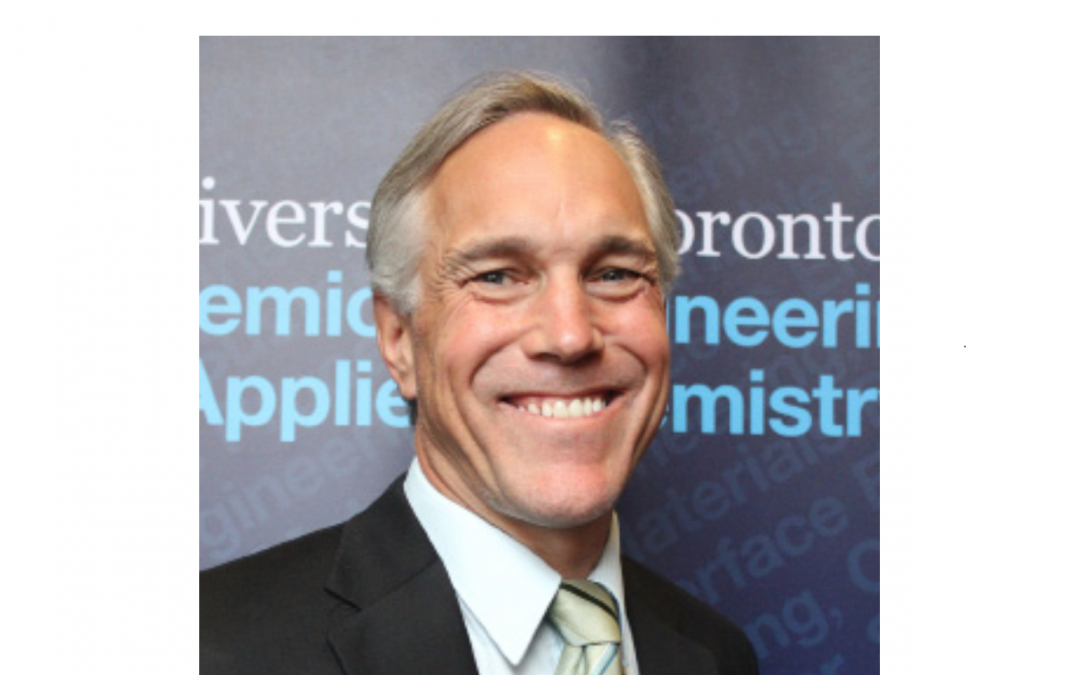
Grant Allen is a Professor in the Department of Chemical Engineering and Applied Chemistry at the University of Toronto and Frank Dottori Chair in Pulp and Paper Engineering. He obtained his B.A.Sc. (1981) and M.A.Sc.(1983) degrees Chemical Engineering at the University of Toronto, specializing in bioprocesses and biomedical engineering. Grant also worked with Esso Petroleum Canada before enrolling in a Ph.D. program in chemical engineering (specializing in biochemical engineering) at the U of Waterloo. His research is in bioprocess engineering, with application to treating wastes and utilizing them for energy and chemical production. He has over 150 publications and has supervised 34 doctoral students, 46 masters and 21 postdoctoral fellows. He has co-led ten industrial research consortia working on environmental and energy challenges in the pulp and paper industry with multidisciplinary teams of up to 15 faculty and their students that engage up to 25 partners from Canada and around the world. He spent a research leave in 1994 with Weyerhaeuser Co. in Tacoma WA, working on biofiltration of air emissions and a research leave at a crown research organization in New Zealand (SCION), working with their green processing team on biorefineries. He has held several leadership positions in academia and the community, including Vice-Dean (Undergraduate) for the Faculty (2007-2011), Department Chair from (2011-2021), Director of the Pulp & Paper Centre (2001-03, 2022-23), President of the Canadian Society of Chemical Engineering (2008/09) and Chair of the Chemical Institute of Canada (2019/2020). He is a Fellow of the Canadian Academy of Engineering, the American Association for the Advancement of Science, the Engineering Institute of Canada and the Chemical Institute of Canada and was recently awarded his Faculty’s Sustained Excellence in Teaching Award.
Grant’s research interests are in the field of bioprocess engineering with emphasis on the biological treatment of waste waters, bioflocculation, microalgae production, biofiltration of air emissions, biofilms, microbiology of waste treatment and bioreactor design. His interests apply to many industrial wastes although most of his work is in the Pulp and Paper industry. Professor Allen provides technical advice on processes involving biological materials (e.g. cells, enzymes, etc.) and waste treatment (water and air) and environmental processes. He has provided advice and conducted research contracts in his areas of expertise for various manufacturing operations, engineering firms, insurance and legal firms and the Federal Government of Canada. He has extensive experience advising on scientific research tax credit claims for the Canadian government and has also received training in alternative dispute resolution.
B.S. (University of Pennsylvania), M.S., Ph.D. (California Institute of Technology)
Associate Professor, Department of Chemical Engineering and Applied Chemistry, University of Toronto
Sources of particulate matter in urban atmospheres
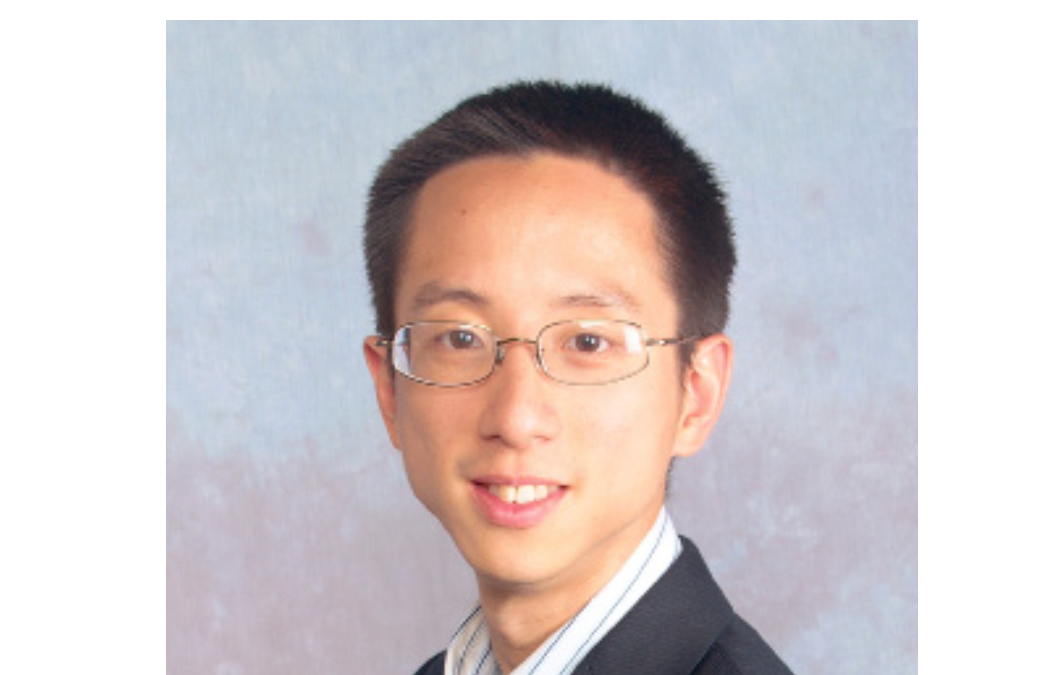
Particulate matter is an important urban air pollutant. Our group conducts field measurements of organic compounds in urban areas to identify their sources and chemical properties. The chemical information allows us to study the physical and biological properties of particulate matter emitted from vehicular traffic, food cooking and wood burning.
Mechanisms of atmospheric reactions
We study reaction mechanisms through controlled laboratory experiments, using different chemical reactors to simulate atmospheric oxidation. We investigate topics including mechanisms of mixing between organic compounds, and reactions between organic compounds and sulfur dioxide to form sulfuric acid in the atmosphere.
Persistence of wildfire-derived pollutants
Our group studies whether major wildfires, such as the 2016 Fort McMurray wildfires, would leave behind toxic pollutants in burnt areas that can affect long term human health. We measure heavy metals and organic carcinogens in indoor house dust in fire-affected areas to determine the contribution from wildfires. Our work informs remediation efforts after environmental disasters.
Health impacts of organic aerosol
Using chemical information, we study the health impacts of particulate matter. We collaborate with the Faculty of Medicine to study the sub-chronic effects of pollutants on pulmonary health. We study the mechanisms by which particulate matter exposure leads to exacerbation of lung diseases (such as cystic fibrosis) and respiratory infections.
Director of Pulp & Paper Centre, NSERC Industrial Research Chair in the Role of Inorganics in the Industrial Processing of Woody Biomass, Associate Professor, Dept. of Chemical Engineering and Applied Chemistry, University of Toronto
Elizabeth Edwards is an Associate Professor in the Department of Chemical Engineering and Applied Chemistry at the University of Toronto. She obtained her B.Eng. (1983) and M.Eng. (1985) degrees in Chemical Engineering from McGill University, Montreal, specializing in biomedical engineering. From 1985-1988, she worked for J.E. Seagrams and Sons on optimizing fermentation conditions in their pilot plant. She then went to Stanford University to pursue a doctorate in Environmental Engineering and Science where she obtained her PhD in 1993. From 1992 to 1995, she worked at Beak Consultants limited in Guelph, Ontario as an environmental consultant. In 1995 she began as an assistant professor in the Department of Chemical Engineering at McMaster University in Hamilton, and then moved to the University of Toronto in 1997.
Professor Edwards is interested in applied and environmental microbiology, and microbial bioprocesses. She has expertise in bioremediation, and in particular, anaerobic microbial processes in groundwater, such as reductive dechlorination of chlorinated solvents and biodegradation of perchlorate and aromatic hydrocarbons. Her research involves developing analytical tools for monitoring chemicals and microbes in the environment, and characterizing novel microbial processes. She has published more than 30 papers in refereed journals, and has many conference presentations and other scholarly addresses. In 2003, she was awarded a Premier’s Research Excellence Award.
Professor Edwards provides advice on the fate of common organic chemical contaminants, such as tetrachloroethene, trichloroethene, vinyl chloride, and aromatic compounds, in groundwater, analytical and molecular methods for measuring concentrations of contaminants, and on bioremediation and biotechnology in general. Professor Edwards is also available to provide advice on SR&ED tax claims, and on patents related to her fields of expertise.
Safety analysis relating to the environmental impact of nuclear facilities
About
Prof. Greg J. Evans obtained his B.A.Sc. (1982), M.A.Sc. (1984), and Ph. D. (1988) from the Department of Chemical Engineering and Applied Chemistry in the Faculty of Applied Science and Engineering at the University of Toronto . Upon completion of his graduate studies, Dr Evans joined Atomic Energy Canada Limited where he worked as a research scientist in the Research Chemistry Branch at the Whiteshell Laboratories in Manitoba . He joined the Department of Chemical Engineering in 1990 as an Assistant Professor and Junior Chair in Nuclear Engineering, was promoted to Associate Professor in 1995 and became a full Professor in 2000. He is currently the Chair of First Year for the Faculty of Engineering and Applied Science.
Professor Evans has served Chair of the University of Toronto Radiation Protection Authority , Chair of the Toronto Branch of the Canadian Nuclear Society and as a member of the University’s Senior Committee on Health and Safety. He has also served as a consultant for AECL, Ontario Hydro, EPRI, IPSN and a number of other nuclear related organizations.
Professor Evans’ recent research focuses on determining the origins and characteristics of airborne urban particulate matter As part of this research he has constructed a new facility containing Canada’s first real-time Laser Ablation Mass Spectrometer for the analysis of individual urban aerosol particles. His group is now applying this and other novel techniques to improve source identification modeling and characterize the particulate matter associate with smog at urban sites.
For over a decade, Prof. Evans has also played a prominent role internationally in regards to understanding the behaviour of radioiodine and other fission products and is regarded as one of the world’s leading experts in this field. Most of this work has been funded and executed in close collaboration with scientists and engineers at AECL and Ontario Hydro in Canada , Harwell in the UK , and IPSN in France . In 1996, he was part of a combined Canada/UK team that prepared a series of reports documenting the current understanding of radioiodine behaviour for the Electric Power Research Institute (EPRI) as part of a program supported by 17 countries.
B.Sc. (Trent), PhD (Queen’s), Postdoc (MIT-Harvard) NSERC Senior Industrial Research Chair in Nanotechnology Engineering Professor, Department of Chemical Engineering and Applied Chemistry, University of Toronto
Areas of Expertise
Nanomaterials engineering: synthesis of polymeric, metallic and semiconductor materials and their applications in photonics, healthcare and environment.
Biomedical engineering: development of mucoadhesive drug delivery systems and biosensors for pathogen detection and identification.
Environmental protection: understanding materials and structures for photo-oxidation and antioxidation and their applications in water treatment applications
Current Projects
Technical advice on the treatment of impacted-water from resource extraction and power generation, and the engineering of advanced materials for healthcare applications.
Nanomaterials engineering: synthesis of polymeric, metallic and semiconductor materials and their applications in photonics, healthcare and environment.
Biomedical engineering: development of mucoadhesive drug delivery systems and biosensors for pathogen detection and identification.
Environmental protection: understanding materials and structures for photo-oxidation and antioxidation and their applications in water treatment applications
Consulting Activity
Technical advice on the treatment of impacted-water from resource extraction and power generation, and the engineering of advanced materials for healthcare applications.
About
Frank Gu is a Professor in the Department of Chemical Engineering and Applied Chemistry at the University of Toronto, and he holds an NSERC Senior Industrial Research Chair in Nanotechnology Engineering. Before joining the University of Toronto in July 2018, Dr. Gu was an Associate Professor and held a Canada Research Chair in Nanotechnology Engineering at the University of Waterloo. Professor Gu has over 15 years of experience in nanotechnology, drug delivery, and environmental remediation. He has established a frontier research program in Nanotechnology Engineering, with important advances in medical and life science applications. Leading-edge projects have produced new materials and tools for targeted drug delivery, pathogen detection, and water treatment. His research has brought tangible impacts on his field and industry, including mucoadhesive materials for the treatment of Dry Eye Disease that has led to the creation of MyX Therapeutics, and photocatalytic water treatment technologies that created H2nanO Inc; both are Canadian companies. Professor Gu has over 200 peer-reviewed publications and conference proceedings.
Electrochemistry and Corrosion, Environmental Engineering, interfacial surface property relationships.
Consulting Activity
Technical advice on electrochemical systems. Forensic analysis of corrosion failures.
About
Donald W. Kirk is a Professor of the Department of Chemical Engineering and Applied Chemistry at the University of Toronto and is a Director of the Pacific Basin Consortium for Hazardous Waste located at the East-West Center Hawaii. He obtained his B.A.Sc. (Engineering Science), and M.A.Sc. and Phd (1979,Chemical Engineering) degrees in the Faculty of Applied Science and Engineering at the University of Toronto, specializing in materials and electrochemistry.
Professor Kirk is interested in interfacial reactions and the influence of surface properties particularly in interaction with aqueous systems. These interactions are able to be manipulated using electrochemical techniques and through modification of surface structures.. The interfacial reactions manifest themselves through the degradation of materials by their interaction with the environment and through the rates of reaction via catalytic action. Professor Kirk holds 15 patents in the subject area ranging from production of catalytic amorphous alloys, volatilization of heavy metals from industrial dusts, sulphur dioxide leaching and to electrochemical cell technology (electrolysis, fuel cells and electroplating). The research conducted is a mixture of experimental and theoretical approaches focusing on industrial problems. He has published extensively in refereed journals, and has many conference presentations and other scholarly addresses.
Professor Kirk provides advice on electrochemistry and corrosion. This includes forensic failure analysis of metals and components in support of insurance claims and litigation. He can provide specialized testing and analysis services including chemical analysis, thermal analysis and detailed surface characterization based on light, SEM and EDX microscopy. Professor Kirk is also available to provide advice on SR&ED tax claims, and on patents related to his fields of expertise.
B.A.Sc. (University of Toronto), M.A.Sc. (Toronto), Ph.D. (Toronto), M.B.A. (Western Ontario), Professor, Department of Chemical Engineering and Applied Chemistry, University of Toronto.
Water chemistry, hydrometallurgy, process modelling, electrolyte thermodynamics, process sensors.
Consulting Activity
Technical advice on hydrometallurgical process, at ambient and pressure. Modelling of gold, nickel, zinc processes. Environmental compliance in the metals/minerals industries. Forensic failure analysis of metallic materials.
About
Vladimiros Papangelakis is a Professor in the Department of Chemical Engineering and Applied Chemistry at the specializing in modelling of high temperature aqueous processing.
Professor Papangelakis is interested in the behaviour of concentrated electrolyte solutions encountered in aqueous processes and particularly in the hydrometallurgical industry. He is also interested in mineral-water interfaces as well as developing new sensors for direct measurement of solution chemistry (e.g., acidity) in autoclave reactors. His research is a balanced mix of experimental and theoretical approaches. He has published more than 35 papers in refereed journals, and has many conference presentations and other scholarly addresses. Professor Papangelakis is currently the Chair of the Hydrometallurgy Section (www.hydrometallurgysection.org) of the Canadian Institute of Mining, Metallurgy and Petroleum.
Professor Papangelakis provides advice on the behaviour of concentrated electrolyte solutions and reacting mineral systems under process conditions. He provides input on conventional and new process development strategies as well as on environmental abatement issues in the metals/minerals industries. He also provides chemical modelling services, specialized testing and analytical services in the chemical processing of minerals, concentrates, and ores. Professor Papangelakis is also available to provide advice on patents related to his fields of expertise.