
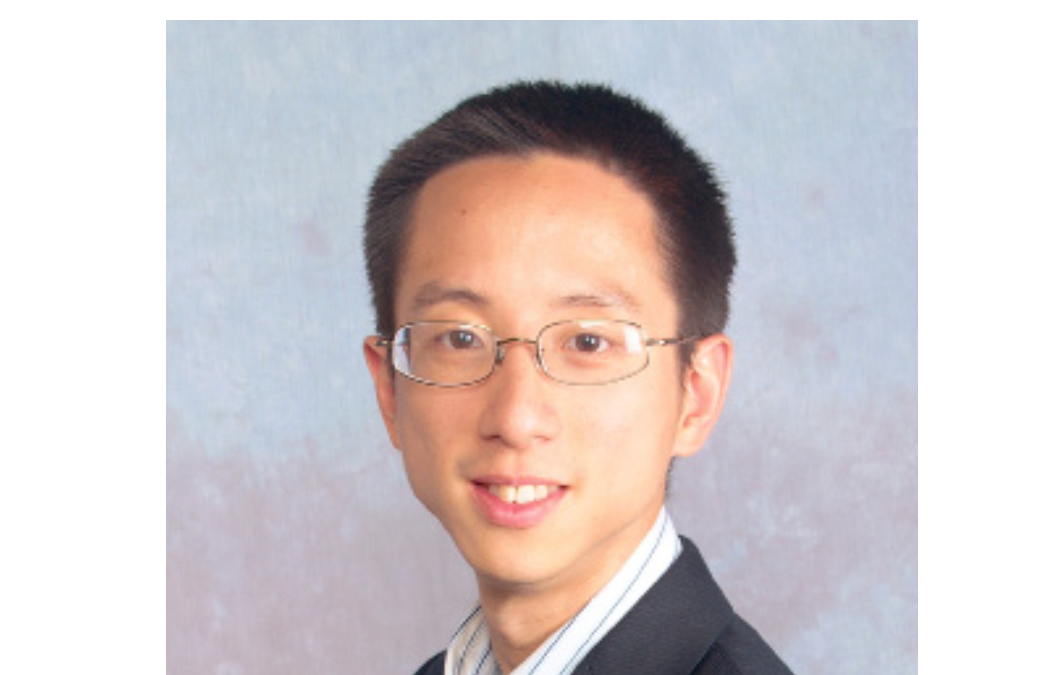
B.S. (University of Pennsylvania), M.S., Ph.D. (California Institute of Technology)
Associate Professor, Department of Chemical Engineering and Applied Chemistry, University of Toronto
Areas of expertise
- Environmental Chemistry
- Air Quality
- Analytical Chemistry
Current Projects
- Airborne particles
- Health effects of air pollutants
- Micro and nanoplastics
Contact
- Phone: (416) 978-2602
- Email: arthurwh.chan@utoronto.ca
Research Areas
Sources of particulate matter in urban atmospheres
Particulate matter is an important urban air pollutant. Our group conducts field measurements of organic compounds in urban areas to identify their sources and chemical properties. The chemical information allows us to study the physical and biological properties of particulate matter emitted from vehicular traffic, food cooking and wood burning.
Mechanisms of atmospheric reactions
We study reaction mechanisms through controlled laboratory experiments, using different chemical reactors to simulate atmospheric oxidation. We investigate topics including mechanisms of mixing between organic compounds, and reactions between organic compounds and sulfur dioxide to form sulfuric acid in the atmosphere.
Persistence of wildfire-derived pollutants
Our group studies whether major wildfires, such as the 2016 Fort McMurray wildfires, would leave behind toxic pollutants in burnt areas that can affect long term human health. We measure heavy metals and organic carcinogens in indoor house dust in fire-affected areas to determine the contribution from wildfires. Our work informs remediation efforts after environmental disasters.
Health impacts of organic aerosol
Using chemical information, we study the health impacts of particulate matter. We collaborate with the Faculty of Medicine to study the sub-chronic effects of pollutants on pulmonary health. We study the mechanisms by which particulate matter exposure leads to exacerbation of lung diseases (such as cystic fibrosis) and respiratory infections.
Complete CV available upon request.