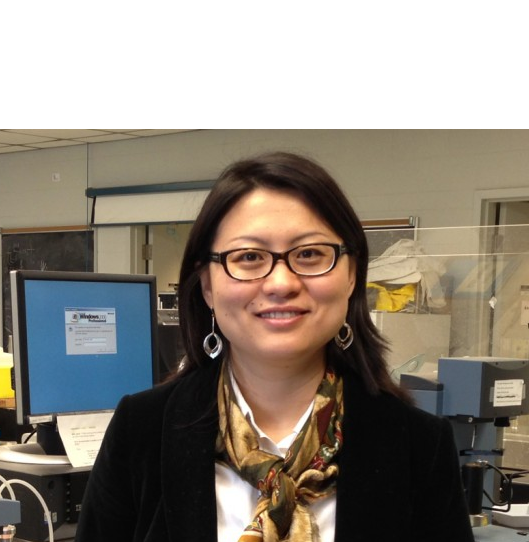
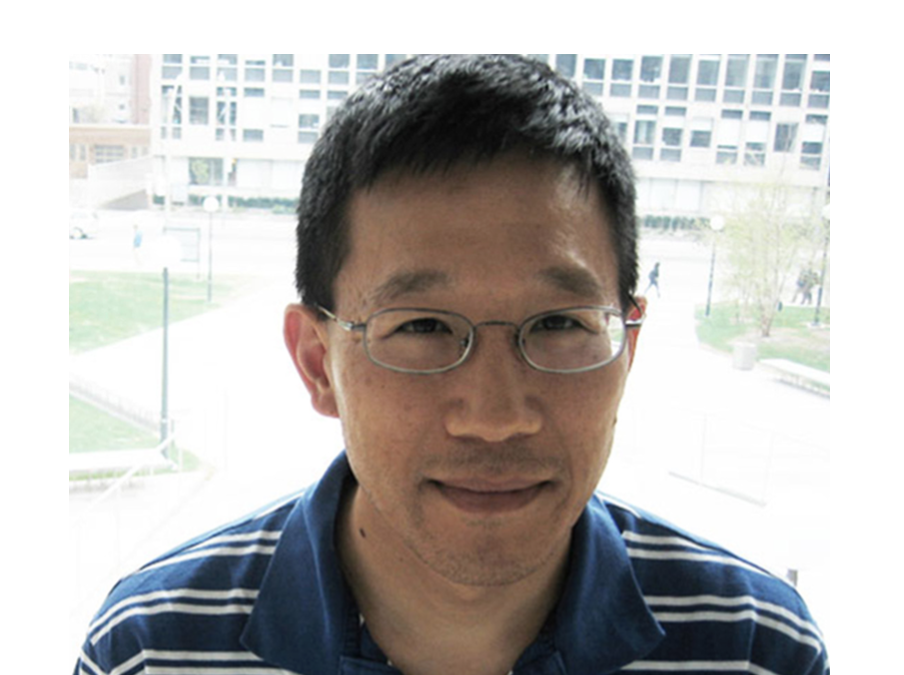
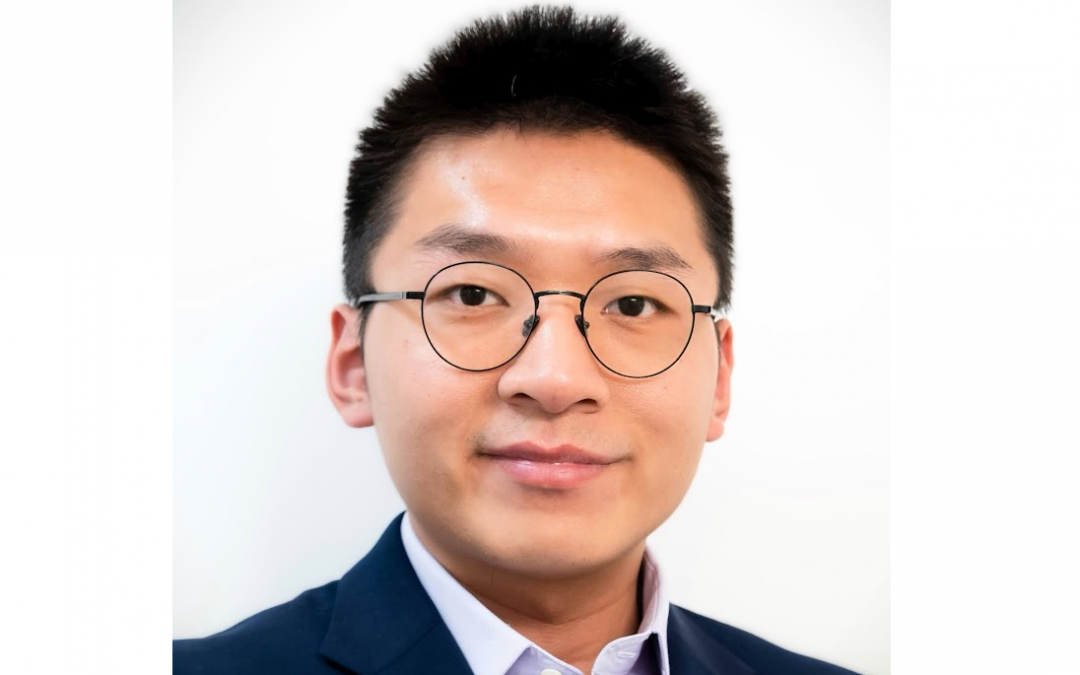
B.A.Sc., Sc.D. (MIT), P.Eng.
University Professor and Michael E. Charles Chair in Chemical Engineering, Department of Chemical Engineering and Applied Chemistry, and Institute of Biomaterials and Biomedical Engineering, University of Toronto
Areas of expertise
Biomaterials
Tissue engineering
Controlled release and drug delivery systems
Medical devices
Current Projects
Technical advice on biomaterials, drug delivery systems and pharmaceutical formulations. Patent disputes
Biomaterials, Tissue engineering, Controlled release and drug delivery systems, Medical devices.
Consulting Activity
Technical advice on biomaterials, drug delivery systems an pharmaceutical formulations. Patent disputes
About
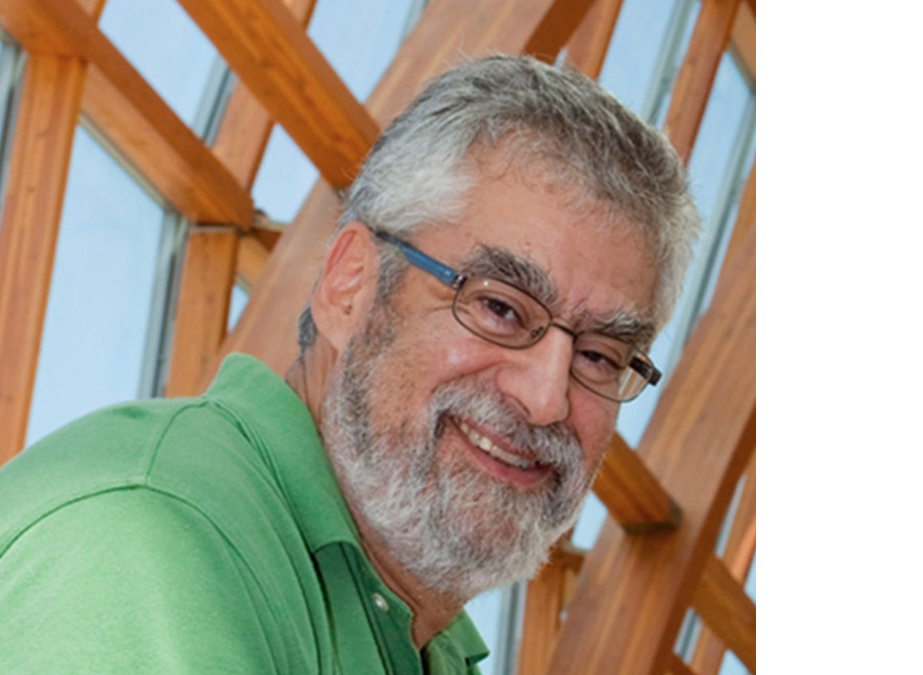
Professor Michael V. Sefton is a Professor in the Department of Chemical Engineering and Applied Chemistry, University of Toronto. He is the 1992 recipient of the teaching award of the Faculty of Applied Science and Engineering. In 1988, he was awarded the Albright and Wilson Americas Award of the Canadian Society for Chemical Engineering (CSChE) in recognition of his contributions to research on the application of chemical engineering principles to medical problems, especially related to his pioneering efforts in tissue engineering and biomaterials. He was one of 20 given a Century of Achievement Award by the CSChE in 1999. He was awarded the Clemson Award of the Society for Biomaterials (US) for Basic Research in 1993. He is a foreign Fellow of the American Institute of Medical and Biological Engineering and a Fellow of the Chemical Institute of Canada and of Biomaterials Science and Engineering. He was recently a member of the Surgery and Bioengineering Study Section of the U.S. National Institutes of Health.
His consulting activities are related to his reseaserch program which is centered on the premise that biomaterials and biomaterial based devices are agaonists of biological responses akin to the action of small molecule drugs. The biological responses of particular interest include angiogenesis (blood vessel growth), thrombogenicity (blood ‘coagulation’), inflammation and immune responses.
B.Sc. (MIT), M.Sc., Ph.D. (Massachusetts) University Professor and Canada Research Chair in Tissue Engineering, Department of Chemical Engineering and Applied Chemistry, Dept. of Chemistry, University of Toronto.
Areas of expertise
Polymers, fluoropolymers, biomaterials
Tissue engineering
Cell-material interactions
Polymeric drug delivery for traumatic injury to the central nervous system or cancer
Stem cell guidance within defined 3-D matrices
Injectable hydrogels for cell and biomolecule delivery
Polymeric nanoparticles for targeted delivery
Current Projects
Technical advice on polymers, implantable materials
Polymers, fluoropolymers, biomaterials, tissue engineering, cell-material interactions, advancing innovative polymeric drug delivery and tissue engineering solutions to problems arising as a result of either traumatic injury to the central nervous system or cancer. Focus is on stem cell guidance within defined 3-D matrices; injectable hydrogels for cell and biomolecule delivery; polymeric nanoparticles for targeted delivery.
Consulting Activity
Technical advice on polymers, implantable materials.
About
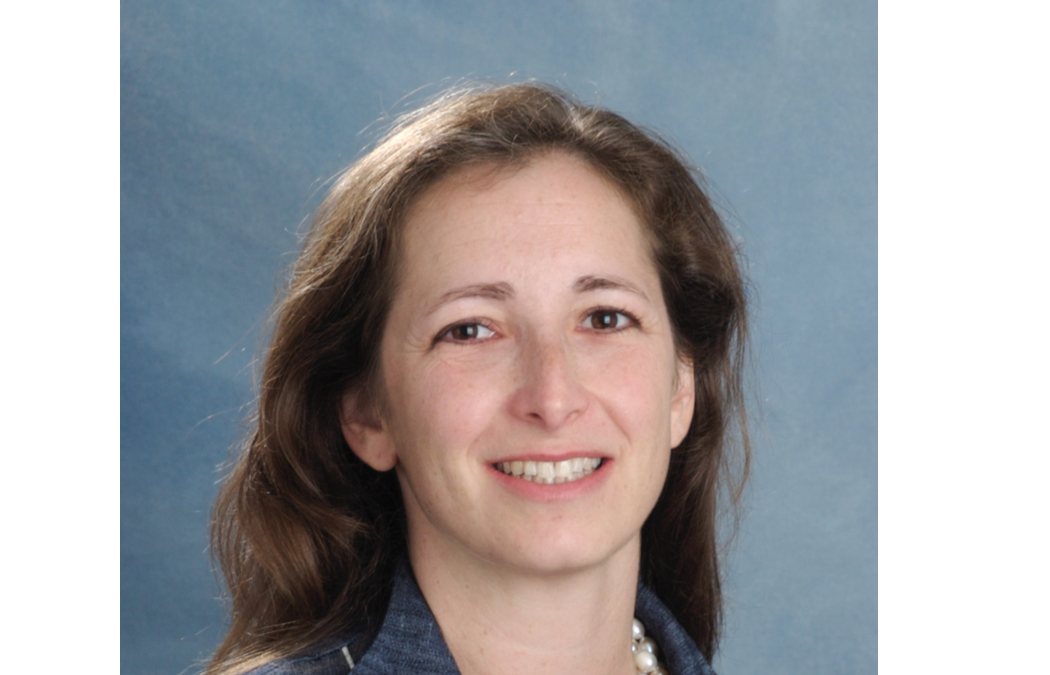
Molly Shoichet is an Professor of the Department of Chemical Engineering and Applied Chemistryat the University of Toronto. She obtained her S.B. (1987) in Chemistry from the Massachusetts Institute of Technology and M.S. (1989) and Ph.D (1992) degrees from the University of Massachusetts, Amherst in Polymer Science and Engineering, specializing in surface modification.
Professor Shoichet is interested in polymers, biomaterials and tissue engineering, with particular emphasis on axonal guidance and nerve repair strategies, specifically for the spinal cord and peripheral nerve. Professor Shoichet’s research spans fundamental polymer synthesis – fluoroelastomers, biodegradable polymers – polymer processing – drug delivery – 3-D patterning – axonal guidance – cell-material interactions (i.e. chemotactic and haptotactic cues). Her research is predominantly experimental, with in vitro and in vivo testing. She has published more than 60 papers in refereed journals, and has been invited to give over 100 presentations. Professor Shoichet holds a Canada Research Chair and has won several awards including NSERC Steacie Fellowship, CSChE Syncrude Award, Canada’s Top 40 under 40 and CIAR’s Young Explorer Award.
Professor Shoichet provides advice on surface modification, cell-material interactions, biomaterials and tissue engineering strategies. She provides specialized testing and analysis services for polymers. Professor Shoichet is also available to provide advice on patents related to her fields of expertise.
BASc (Waterloo), MEng (McGill), PhD (Cambridge), Postdoc (Harvard) Assistant Professor, Dept. of Chemical Engineering and Applied Chemistry, University of Toronto & ISTEP
Areas of Expertise
Sensor design with a focus on biosensors
Synthetic biology especially with CRISPR/Cas systems
Commercialization of medical in vitro diagnostics
Current Projects
Antimicrobial resistance diagnostics
CRISPR-based diagnostics
CRISPR responsive materials
Cell-free synthetic biology sensing
Lateral flow diagnostic development and commercialization
B.Sc. (Washington Univ. St. Louis), M.Sc., Ph.D. (Yale), Post-doc (Minnesota) Assistant Professor, Dept. of Chemical Engineering and Applied Chemistry, University of Toronto
Areas of expertise
Membrane materials and membrane separation processes
Synthesis and characterization of high-performance membranes
Fundamental transport in polymers, and process design
Current Projects
Enhanced Reverse Osmosis for Treatment of High-Salinity Brines
Ion-Selective Separations for Battery Recycling and Sustainable Hydrometallurgy
Separation Materials and Processes for Bioderived Chemicals
BEng (Southeast), PhD (Toronto), PEng, FEIC, FCAE, FIAWS, Tier One Canada Research Chair in Sustainable Bioproducts, Professor, Department of Chemical Engineering and Applied Chemistry, cross-appoint. Department of Materials Science and Engineering, University of Toronto
Areas of expertise
Lignocellulosic biomaterials engineering
Forest and agriculture residue utilization and conversion to value-added products
Cellulose, lignin, and extractives valorization to green chemicals and functional materials
Bio-based polymers, chemicals, composites, and functional materials
Lignocellulosic biomaterials engineering; forest and agriculture residue utilization and conversion to value-added products; Cellulose, lignin, and extractives valorization to green chemicals and functional materials; bio-based polymers, chemicals, composites, and functional materials; sensors and devices.
B.A.Sc.( Toronto ), Ph.D. ( Minnesota ), P.Eng. Dean of Faculty of Applied Science and Engineering, Professor, Department of Chemical Engineering and Applied Chemistry, Institute of Biomaterials and Biomedical Engineering, Department of Biochemistry, University of Toronto
Molecular self-assembly, protein structure-function, protein-protein interactions, single molecule biophysics, computational biophysics and chemistry, scanning probe microscopy
About
Professor Yip received his Ph.D in Chemical Engineering from the University of Minnesota in 1996. He was the first recipient of the Molecular Imaging’s Outstanding Young Biological Scanning Probe Microscopy Investigator of the Year award. His research has been supported by NSERC, MRC/CIHR, ORDCF, CFI, OIT, PREA, in addition to Eli Lilly, Battelle Memorial Institute and the US Department of Energy (Sandia National Laboratories).
Dr Yip’s research focuses on single molecule biophysics, emphasizing the design and control of organic and protein self-assembly, design of novel instrumentation for single molecule imaging and functional characterization, and computational techniques for simulation of molecular self-assembly and self-organization.