B.Sc. (McGill), Ph.D. (UBC), Post-doc., KTH, Stockholm Sweden
Professor, Department of Chemical Engineering and Applied Chemistry, University of Toronto.
Areas of expertise
Discovery, design and production of enzymes and non-catalytic proteins that can be used to synthesize new bio-based materials and high-value chemicals from renewable plant sources
Discovery, design and production of enzymes and non-catalytic proteins that can be used to synthesize new bio-based materials and high-value chemicals from renewable plant sources.
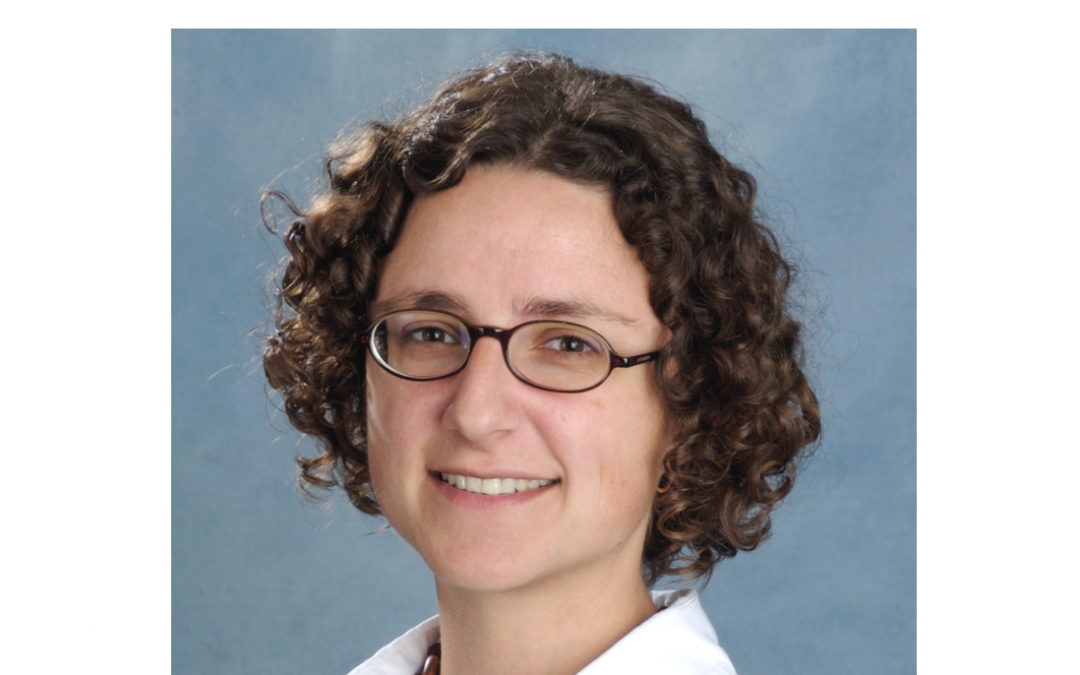
MEng. (Oxford), PhD (Toronto), Post-Doc (Harvard, Stanford). Professor, Department of Chemical Engineering and Applied Chemistry, University of Toronto
Areas of expertise
Tissue engineering and disease modelling
Biological image analysis
Cellular assay development
Current Projects
In-vitro cancer model development
In-vitro human obesity culture development
Automation of 3D culture fabrication and manufacturing
Tissue engineering, microfabrication, disease modeling, systems biology, 2D and 3D cell organization and self-assembly, cell migration, tissue patterning and boundaries, modelling tissue organization mechanisms, in vitro drug screening tools.
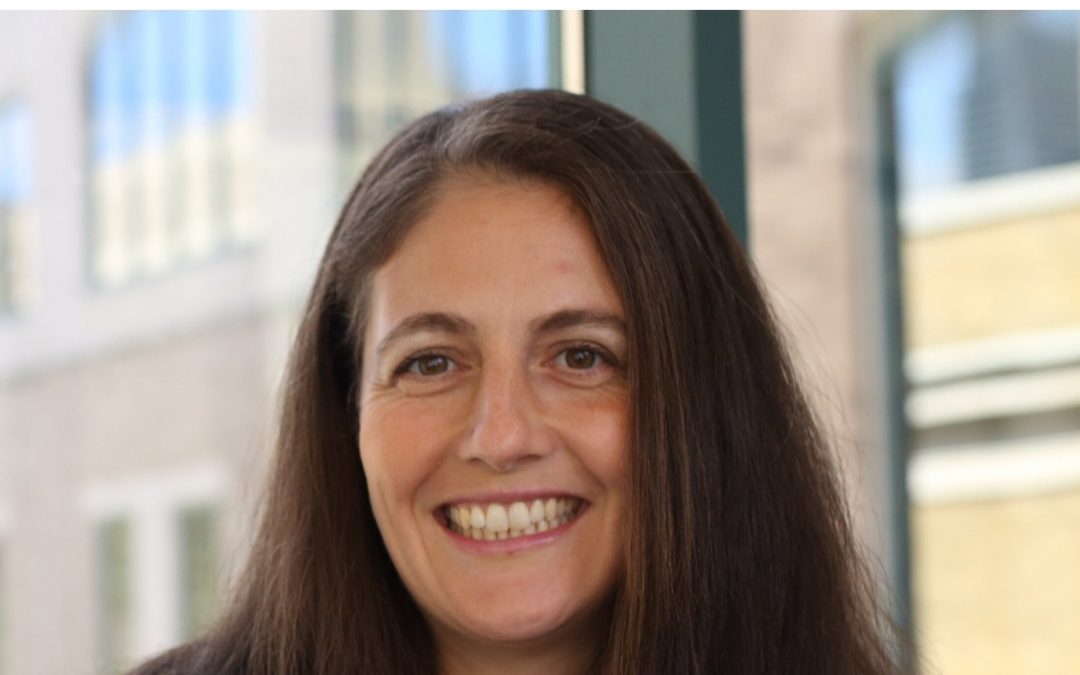
B.Sc. (Ohio University), Ph.D. (MIT), Postdoc (Michigan) Assistant Professor, Department of Chemical Engineering and Applied Chemistry, University of Toronto
Areas of expertise
Design and scale-up of electrochemical systems
Sustainable energy conversion technologies and grid-scale energy storage
Reactor engineering
Mathematical modeling
Electrochemical synthesis and electrocatalysis
Materials engineering
Technoeconomic analysis
Current Projects
Redox flow battery scale-up and reactor engineering
Characterization and reactor design for off-electrode catalytic processes
Redox-active polymers for mediated electrochemical manufacturing
Water chemistry, hydrometallurgy, process modelling, electrolyte thermodynamics, process sensors.
Consulting Activity
Technical advice on hydrometallurgical process, at ambient and pressure. Modelling of gold, nickel, zinc processes. Environmental compliance in the metals/minerals industries. Forensic failure analysis of metallic materials.
About
Vladimiros Papangelakis is a Professor in the Department of Chemical Engineering and Applied Chemistry at the specializing in modelling of high temperature aqueous processing.
Professor Papangelakis is interested in the behaviour of concentrated electrolyte solutions encountered in aqueous processes and particularly in the hydrometallurgical industry. He is also interested in mineral-water interfaces as well as developing new sensors for direct measurement of solution chemistry (e.g., acidity) in autoclave reactors. His research is a balanced mix of experimental and theoretical approaches. He has published more than 35 papers in refereed journals, and has many conference presentations and other scholarly addresses. Professor Papangelakis is currently the Chair of the Hydrometallurgy Section (www.hydrometallurgysection.org) of the Canadian Institute of Mining, Metallurgy and Petroleum.
Professor Papangelakis provides advice on the behaviour of concentrated electrolyte solutions and reacting mineral systems under process conditions. He provides input on conventional and new process development strategies as well as on environmental abatement issues in the metals/minerals industries. He also provides chemical modelling services, specialized testing and analytical services in the chemical processing of minerals, concentrates, and ores. Professor Papangelakis is also available to provide advice on patents related to his fields of expertise.
B.Eng. McMaster University (1999), Ph.D. MIT (2004), Post-doc Harvard-MIT Division of Health Science and Technology (2005) Professor, Department of Chemical Engineering and Applied Chemistry, University of Toronto
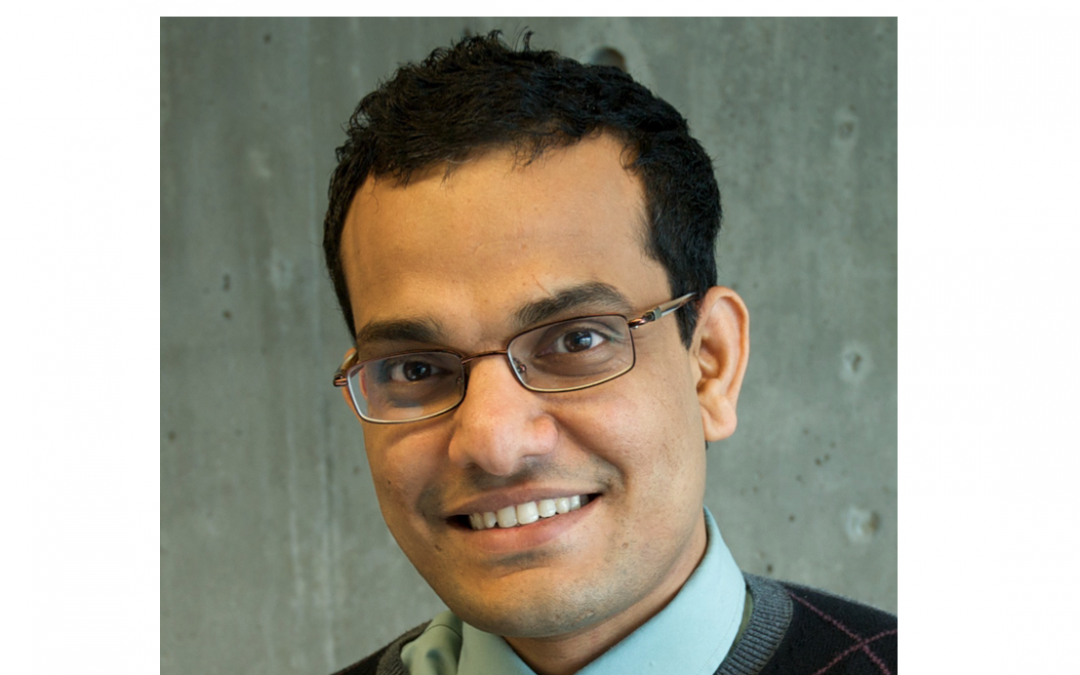
B. Chem. Eng. (Institute of Chemical Technology, Mumbai), Ph.D. (University of Notre Dame), P.Eng. Professor and Canada Research Chair in Engineered Soft Materials and Interfaces, Department of Chemical Engineering and Applied Chemistry, University of Toronto
Areas of Expertise
Dynamics of complex fluids
Concentrated suspensions, emulsions, gels and foams
Current Projects
Oil extraction, oil sands, microparticle productions, fabric softener design, mass transfer in flowing blood, motion of biological particles in vascular networks, and polymer blending
Dynamics of complex fluids, concentrated suspensions, emulsions, gels and foams. Our current projects are in such diverse areas as oil extraction, oil sands, microparticle productions, fabric softener design, mass transfer in flowing blood, motion of biological particles in vascular networks, and polymer blending.
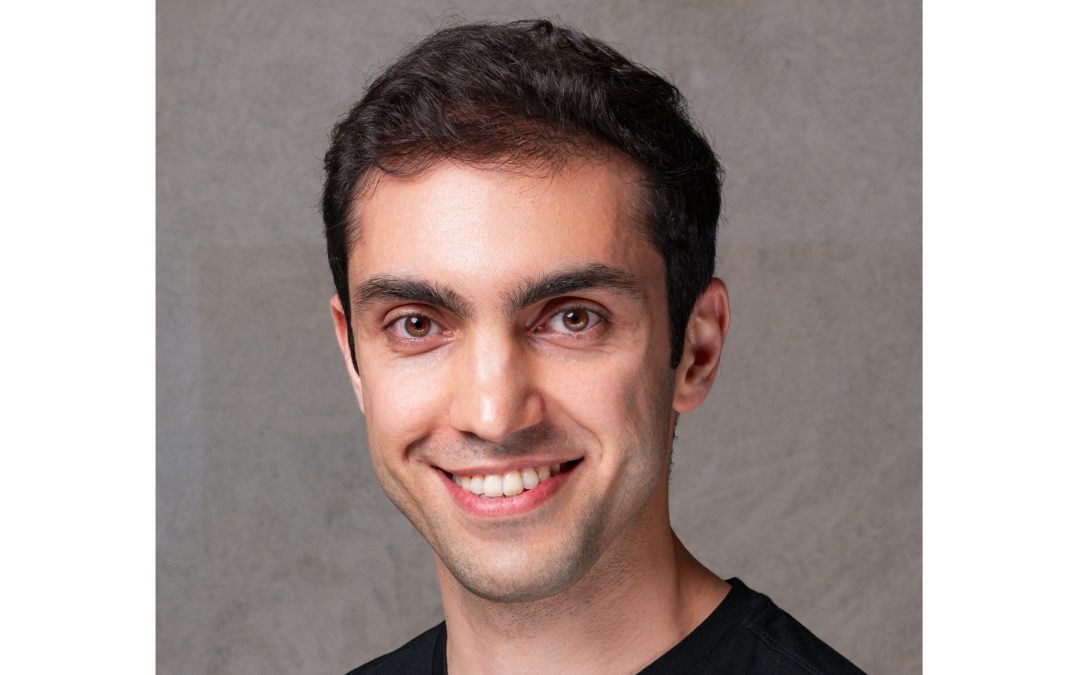
B.Sc (Guanajuato), M.Sc. (Erasmus Mundus, Valencia), Ph.D. (Harvard) Assistant Professor, Dept. of Chemical Engineering and Applied Chemistry, University of Toronto
Areas of expertise
Designing computer-robotic systems that augment our human capacity for engineering and optimizing molecular systems, reactions, and processes
AI for science
Domain-Expert AI interactions
Interpretability all in the context of chemicals
Current Projects
AI for ChemE/Chemistry
AI for Enzyme discovery/optimization
Explainability/Interpretability of scientific experiments (XAI)
Enzyme technology; bioreactors and bioprocesses; industrial applications of enzymes; alternative energy sources; pulp and paper, reactor design and kinetics
Consulting Activity
Bioprocess technology, reactor design and kinetics, occupational health and safety.
About
Brad Saville is a Professor in the Department of Chemical Engineering and Applied Chemistry at the University of Toronto, and is the Faculty Coordinator for Occupational Health and Safety. He obtained his B.Sc. (1985) and Ph.D. (1989) degrees in Chemical Engineering at the University of Alberta, specializing in bioreactors, drug metabolism, and bioprocessing.
Professor Saville is interested in bioprocess technology, with particular emphasis on the performance, characteristics and applications of enzymes to biofuels, in starch processing, and in pulp and paper. He holds several patents related to enzyme technology and the industrial application of biocatalysts. In addition, he has published several articles related to the kinetics and mechanistic aspects of enzyme function, including pharmacokinetics, and is the co-author of “An Introduction of Chemical Reaction Engineering and Kinetics”, published by John Wiley and Sons in 1999.
Professor Saville provides advice on issues related to occupational health and safety, bio/enzymatic processing, general chemical engineering process technology, and technical/process analysis in support of insurance claims and litigation.