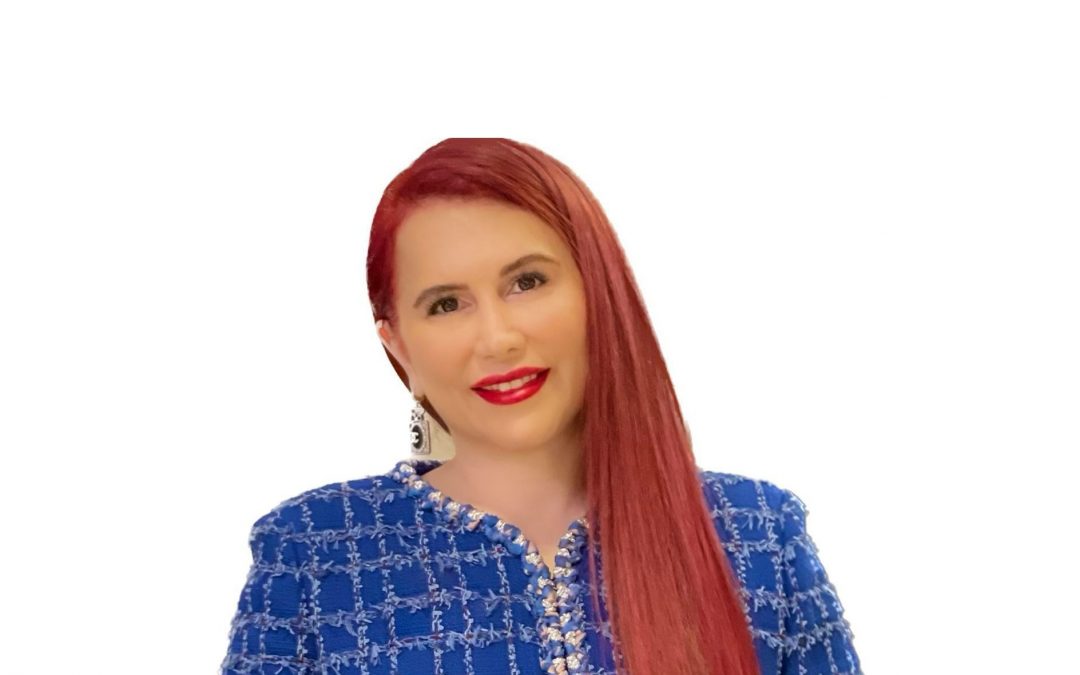
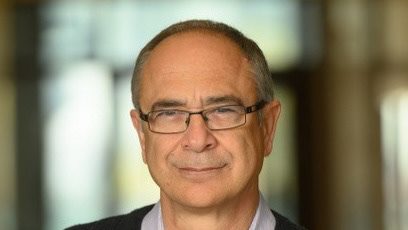
B.A.Sc. and M.A.Sc. (Sharif University of Technology), Ph.D. (Toronto), P.Eng, Post-doc (MIT)Professor, Department of Chemical Engineering and Applied Chemistry, University of Toronto Canada Research Chair in Urban Mining Innovation co-Director, Ontario Centre for the Characterization of Advanced Materials (OCCAM)
Areas of Expertise
Critical, Rare earth elements, and Battery materials
Hydrometallurgy
Extractive metallurgy
Process simulation
Thermodynamic modeling
Technoeconomic analysis
System level and financial modeling
Energy storage and batteries
Current Projects
Separation of rare earth elements using electrodialysis
Extraction of rare earths from ionic clays
Recycling of lithium ion batteries
Development of lithium ion and aluminum ion batteries
Urban mining and advanced recycling of Waste Electrical and Electronic Equipment
Supercritical fluid extraction
Carbon management through the development of a “green electrochemical technology” for iron extraction and steel refining
Industrial solid waste reduction through waste valorization to produce strategic materials like rare earth elements, lithium and cobalt
Development of innovative materials with unique properties (hydrophobicity, anti-scaling) with far-reaching applications in structural and energy materials sectors
Energy storage focusing on the development of a new generation (post lithium) of rechargeable batteries
Electrochemistry and Corrosion, Environmental Engineering, interfacial surface property relationships.
Consulting Activity
Technical advice on electrochemical systems. Forensic analysis of corrosion failures.
About
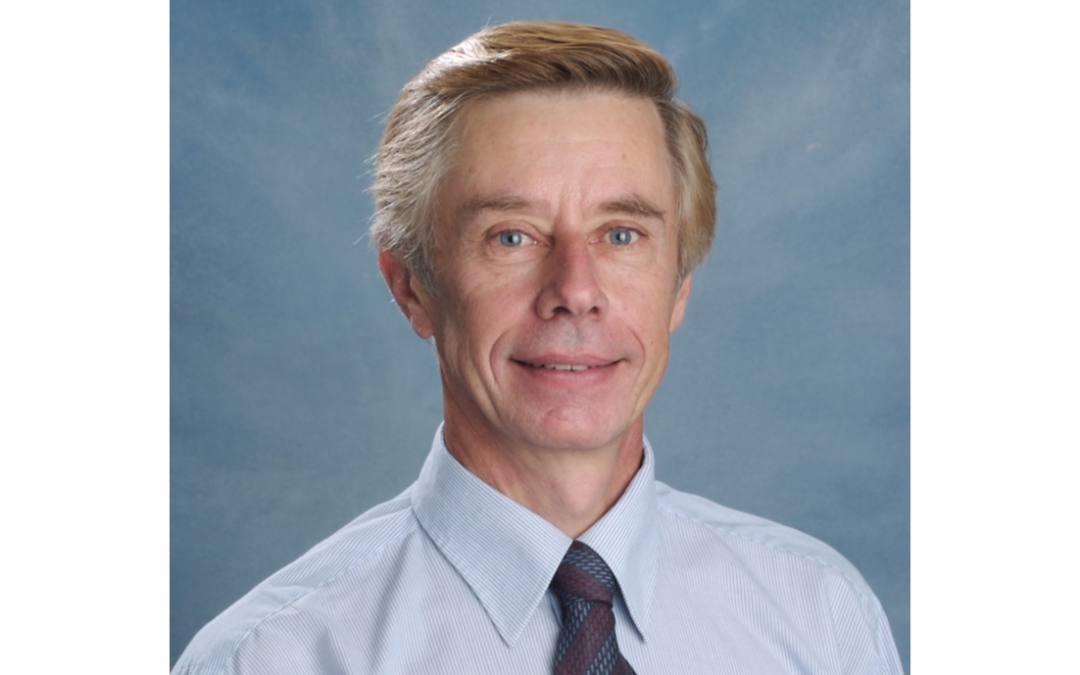
Donald W. Kirk is a Professor of the Department of Chemical Engineering and Applied Chemistry at the University of Toronto and is a Director of the Pacific Basin Consortium for Hazardous Waste located at the East-West Center Hawaii. He obtained his B.A.Sc. (Engineering Science), and M.A.Sc. and Phd (1979,Chemical Engineering) degrees in the Faculty of Applied Science and Engineering at the University of Toronto, specializing in materials and electrochemistry.
Professor Kirk is interested in interfacial reactions and the influence of surface properties particularly in interaction with aqueous systems. These interactions are able to be manipulated using electrochemical techniques and through modification of surface structures.. The interfacial reactions manifest themselves through the degradation of materials by their interaction with the environment and through the rates of reaction via catalytic action. Professor Kirk holds 15 patents in the subject area ranging from production of catalytic amorphous alloys, volatilization of heavy metals from industrial dusts, sulphur dioxide leaching and to electrochemical cell technology (electrolysis, fuel cells and electroplating). The research conducted is a mixture of experimental and theoretical approaches focusing on industrial problems. He has published extensively in refereed journals, and has many conference presentations and other scholarly addresses.
Professor Kirk provides advice on electrochemistry and corrosion. This includes forensic failure analysis of metals and components in support of insurance claims and litigation. He can provide specialized testing and analysis services including chemical analysis, thermal analysis and detailed surface characterization based on light, SEM and EDX microscopy. Professor Kirk is also available to provide advice on SR&ED tax claims, and on patents related to his fields of expertise.
Water chemistry, hydrometallurgy, process modelling, electrolyte thermodynamics, process sensors.
Consulting Activity
Technical advice on hydrometallurgical process, at ambient and pressure. Modelling of gold, nickel, zinc processes. Environmental compliance in the metals/minerals industries. Forensic failure analysis of metallic materials.
About
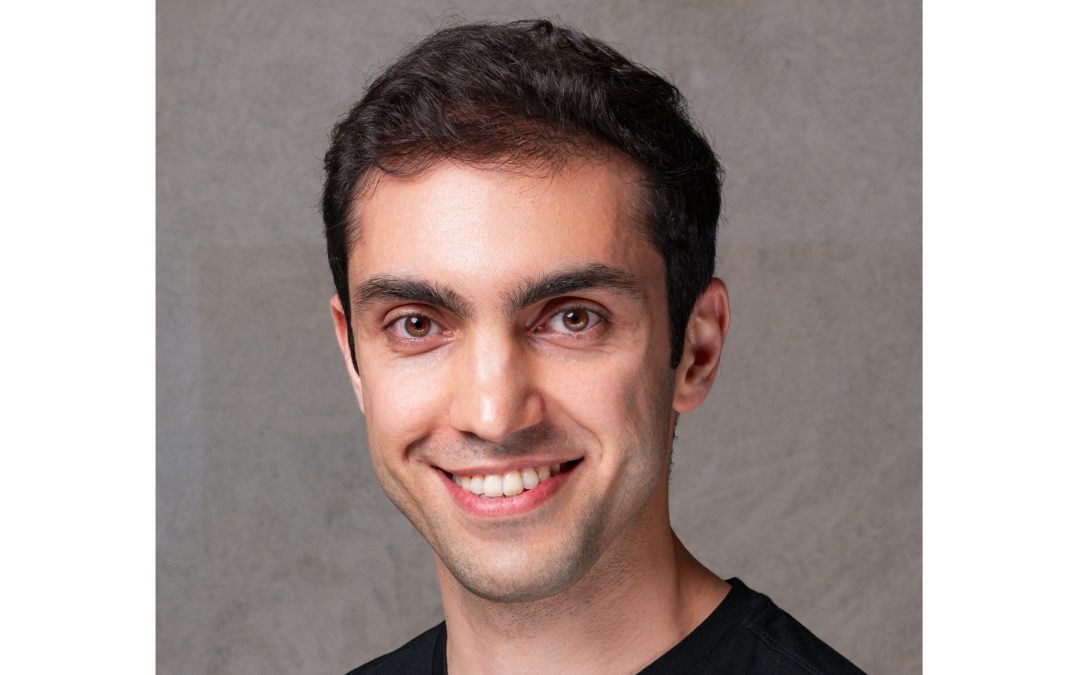
Vladimiros Papangelakis is a Professor in the Department of Chemical Engineering and Applied Chemistry at the specializing in modelling of high temperature aqueous processing.
Professor Papangelakis is interested in the behaviour of concentrated electrolyte solutions encountered in aqueous processes and particularly in the hydrometallurgical industry. He is also interested in mineral-water interfaces as well as developing new sensors for direct measurement of solution chemistry (e.g., acidity) in autoclave reactors. His research is a balanced mix of experimental and theoretical approaches. He has published more than 35 papers in refereed journals, and has many conference presentations and other scholarly addresses. Professor Papangelakis is currently the Chair of the Hydrometallurgy Section (www.hydrometallurgysection.org) of the Canadian Institute of Mining, Metallurgy and Petroleum.
Professor Papangelakis provides advice on the behaviour of concentrated electrolyte solutions and reacting mineral systems under process conditions. He provides input on conventional and new process development strategies as well as on environmental abatement issues in the metals/minerals industries. He also provides chemical modelling services, specialized testing and analytical services in the chemical processing of minerals, concentrates, and ores. Professor Papangelakis is also available to provide advice on patents related to his fields of expertise.