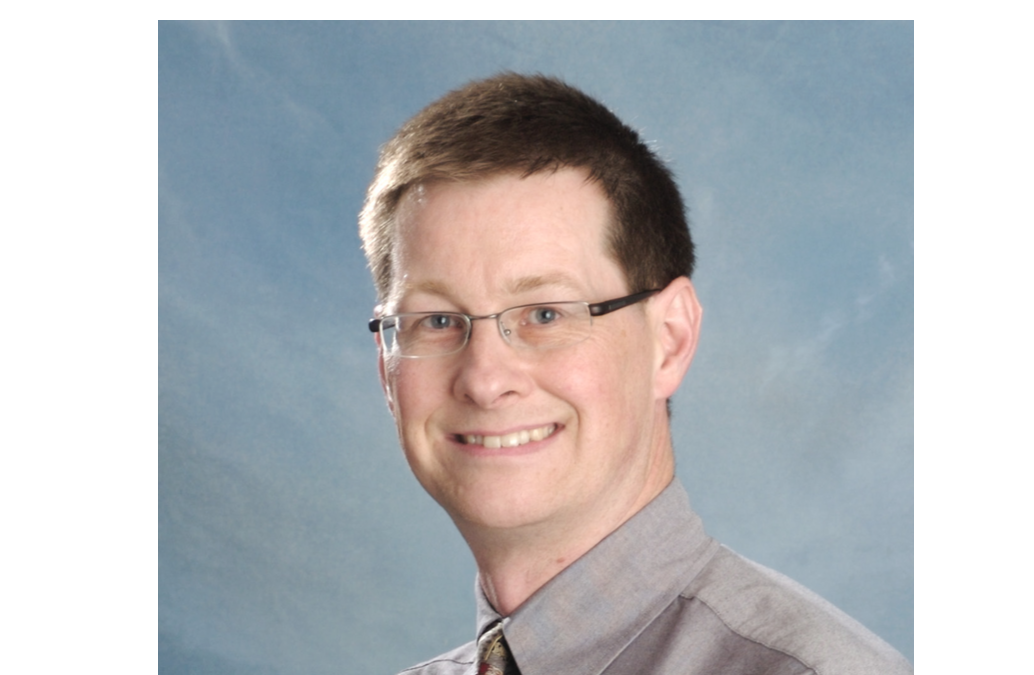
B.A.Sc., M.A.Sc.(University of Toronto), Ph.D. ( Waterloo ), P.Eng. Professor, Department of Chemical Engineering and Applied Chemistry, University of Toronto
Areas of Expertise
Bioprocess engineering for production of chemicals, fuels and materials
Biological waste treatment of wastewater and air emissions
Environmental aspects of pulp and paper
Expert witness & scientific research reviews
Current Projects
Photobioreactors for photosynthetic organisms
Microalgae for food, fuels and biochemicals
Wastewater and biosolids treatment in pulp and paper
Bioprocess Engineering, Biological Water Treatment, Biofiltration, Environmental Engineering, Pulp and Paper and Environment, Transport in bioreactors, Algae, and Biofilms.
Consulting Activity
Technical advice on the treatment of wastewaters and air emissions, pulp and paper environmental issues and processes involving biological systems (cells, biosludges, algae, enzymes, etc.). Also provide analysis and advice in areas of technical expertise in support of insurance claims and litigation. Provide advice to government on research tax credit claims and alternative dispute resolution.
About
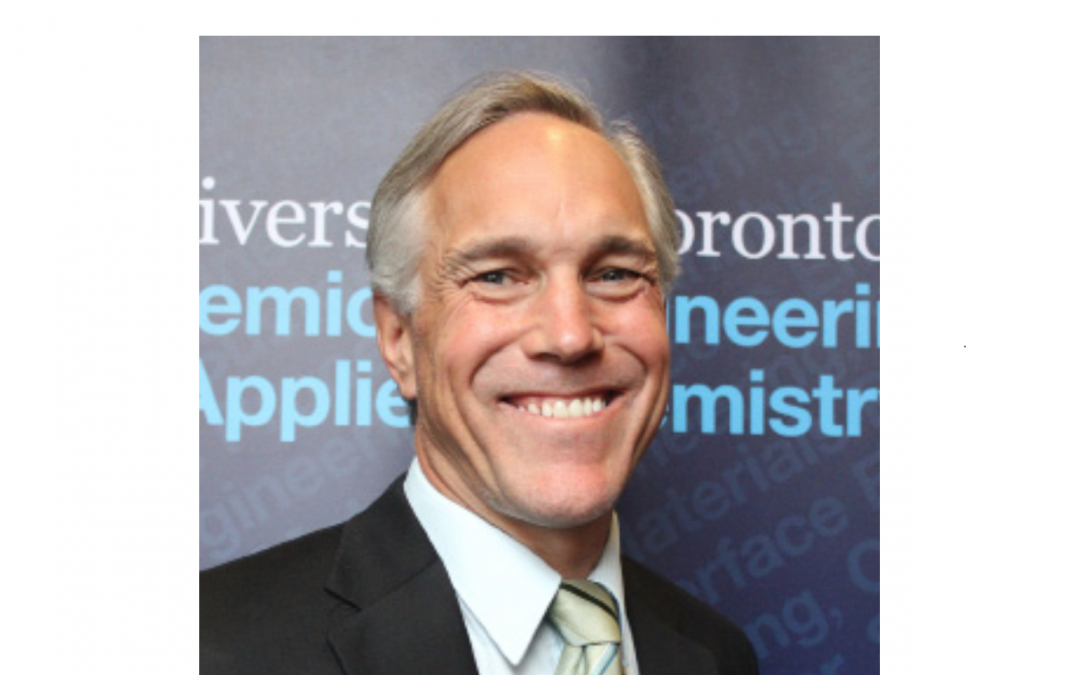
Grant Allen is a Professor in the Department of Chemical Engineering and Applied Chemistry at the University of Toronto and Frank Dottori Chair in Pulp and Paper Engineering. He obtained his B.A.Sc. (1981) and M.A.Sc.(1983) degrees Chemical Engineering at the University of Toronto, specializing in bioprocesses and biomedical engineering. Grant also worked with Esso Petroleum Canada before enrolling in a Ph.D. program in chemical engineering (specializing in biochemical engineering) at the U of Waterloo. His research is in bioprocess engineering, with application to treating wastes and utilizing them for energy and chemical production. He has over 150 publications and has supervised 34 doctoral students, 46 masters and 21 postdoctoral fellows. He has co-led ten industrial research consortia working on environmental and energy challenges in the pulp and paper industry with multidisciplinary teams of up to 15 faculty and their students that engage up to 25 partners from Canada and around the world. He spent a research leave in 1994 with Weyerhaeuser Co. in Tacoma WA, working on biofiltration of air emissions and a research leave at a crown research organization in New Zealand (SCION), working with their green processing team on biorefineries. He has held several leadership positions in academia and the community, including Vice-Dean (Undergraduate) for the Faculty (2007-2011), Department Chair from (2011-2021), Director of the Pulp & Paper Centre (2001-03, 2022-23), President of the Canadian Society of Chemical Engineering (2008/09) and Chair of the Chemical Institute of Canada (2019/2020). He is a Fellow of the Canadian Academy of Engineering, the American Association for the Advancement of Science, the Engineering Institute of Canada and the Chemical Institute of Canada and was recently awarded his Faculty’s Sustained Excellence in Teaching Award.
Grant’s research interests are in the field of bioprocess engineering with emphasis on the biological treatment of waste waters, bioflocculation, microalgae production, biofiltration of air emissions, biofilms, microbiology of waste treatment and bioreactor design. His interests apply to many industrial wastes although most of his work is in the Pulp and Paper industry. Professor Allen provides technical advice on processes involving biological materials (e.g. cells, enzymes, etc.) and waste treatment (water and air) and environmental processes. He has provided advice and conducted research contracts in his areas of expertise for various manufacturing operations, engineering firms, insurance and legal firms and the Federal Government of Canada. He has extensive experience advising on scientific research tax credit claims for the Canadian government and has also received training in alternative dispute resolution.
Ph.D. (Queen’s), P.Eng. Associate Professor, Teaching Stream Department of Chemical Engineering and Applied Chemistry, University of Toronto Cross-appointed to Institute for Studies in Transdisciplinary Engineering Education and Practice (ISETP)
Areas of Expertise
Chemical process scale-up and simulation
Process safety analysis
Life-cycle analysis
Data analytics research
VR/AR immersive technology development for education and training
Current Projects
Technical advice on chemical product and process design, including performing process simulation for equipment sizing, engineering drawing, cost estimation, process safety analysis, and life-cycle analysis.
Technical advice on chemical product and process design, including performing process simulation for equipment sizing, engineering drawing, cost estimation, process safety analysis, and life-cycle analysis.
About
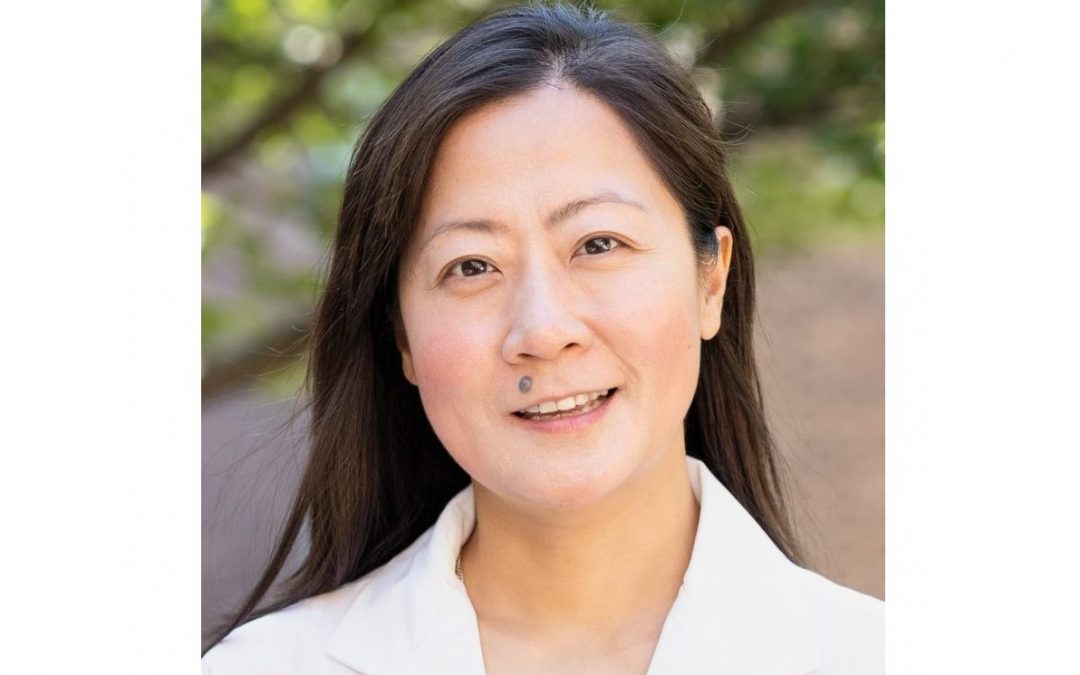
Professor Chan obtained her Bachelor’s and PhD degrees in Chemical Engineering from Queens University, Canada. During her graduate studies, she worked with Genencor Inc/Dupont Bioscience in the US and later continued her Postdoctoral Fellowship at Agriculture Canada in biomaterials and bioplastics development. Prof. Chan began her academic career at the University of Waterloo in 2012. In 2017, she joined the Department of Chemical Engineering and Applied Chemistry at the University of Toronto as the Assistant Professor, Teaching Stream. She is also a practicing professional engineer registered in Ontario, Canada. Her teaching and research focus on chemical process design and scale-up simulation and modernizing chemical engineering laboratory curriculum. In addition, she uses virtual/augmented technology and data analytics techniques to facilitate individualized learning.
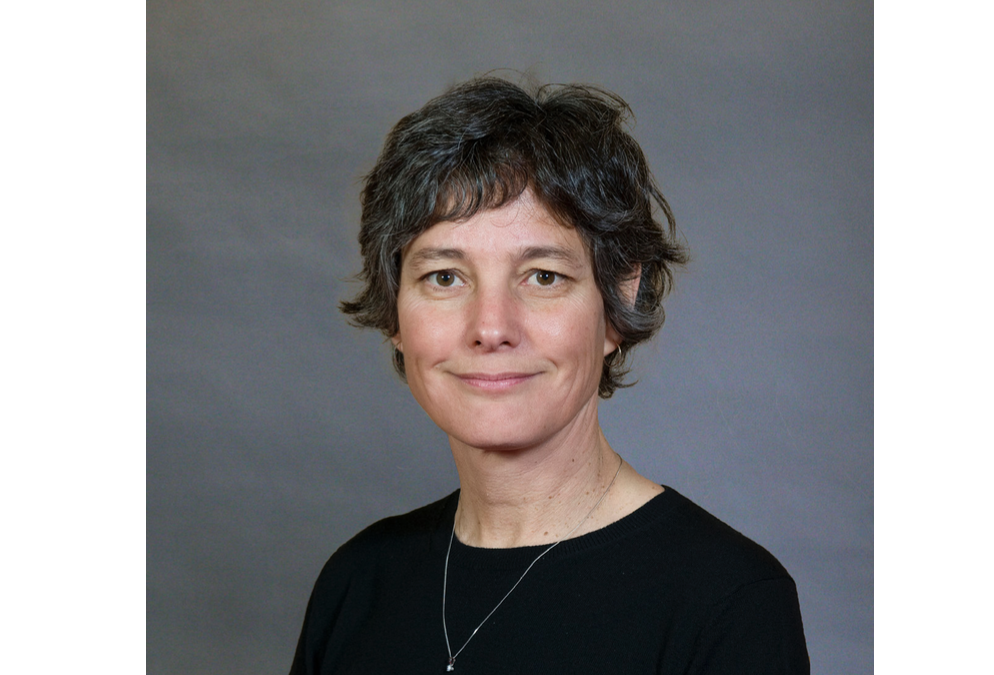
Elizabeth Edwards is an Associate Professor in the Department of Chemical Engineering and Applied Chemistry at the University of Toronto. She obtained her B.Eng. (1983) and M.Eng. (1985) degrees in Chemical Engineering from McGill University, Montreal, specializing in biomedical engineering. From 1985-1988, she worked for J.E. Seagrams and Sons on optimizing fermentation conditions in their pilot plant. She then went to Stanford University to pursue a doctorate in Environmental Engineering and Science where she obtained her PhD in 1993. From 1992 to 1995, she worked at Beak Consultants limited in Guelph, Ontario as an environmental consultant. In 1995 she began as an assistant professor in the Department of Chemical Engineering at McMaster University in Hamilton, and then moved to the University of Toronto in 1997.
Professor Edwards is interested in applied and environmental microbiology, and microbial bioprocesses. She has expertise in bioremediation, and in particular, anaerobic microbial processes in groundwater, such as reductive dechlorination of chlorinated solvents and biodegradation of perchlorate and aromatic hydrocarbons. Her research involves developing analytical tools for monitoring chemicals and microbes in the environment, and characterizing novel microbial processes. She has published more than 30 papers in refereed journals, and has many conference presentations and other scholarly addresses. In 2003, she was awarded a Premier’s Research Excellence Award.
Professor Edwards provides advice on the fate of common organic chemical contaminants, such as tetrachloroethene, trichloroethene, vinyl chloride, and aromatic compounds, in groundwater, analytical and molecular methods for measuring concentrations of contaminants, and on bioremediation and biotechnology in general. Professor Edwards is also available to provide advice on SR&ED tax claims, and on patents related to her fields of expertise.
B.Sc. (Trent), PhD (Queen’s), Postdoc (MIT-Harvard) NSERC Senior Industrial Research Chair in Nanotechnology Engineering Professor, Department of Chemical Engineering and Applied Chemistry, University of Toronto
Areas of Expertise
Nanomaterials engineering: synthesis of polymeric, metallic and semiconductor materials and their applications in photonics, healthcare and environment.
Biomedical engineering: development of mucoadhesive drug delivery systems and biosensors for pathogen detection and identification.
Environmental protection: understanding materials and structures for photo-oxidation and antioxidation and their applications in water treatment applications
Current Projects
Technical advice on the treatment of impacted-water from resource extraction and power generation, and the engineering of advanced materials for healthcare applications.
Nanomaterials engineering: synthesis of polymeric, metallic and semiconductor materials and their applications in photonics, healthcare and environment.
Biomedical engineering: development of mucoadhesive drug delivery systems and biosensors for pathogen detection and identification.
Environmental protection: understanding materials and structures for photo-oxidation and antioxidation and their applications in water treatment applications
Consulting Activity
Technical advice on the treatment of impacted-water from resource extraction and power generation, and the engineering of advanced materials for healthcare applications.
About
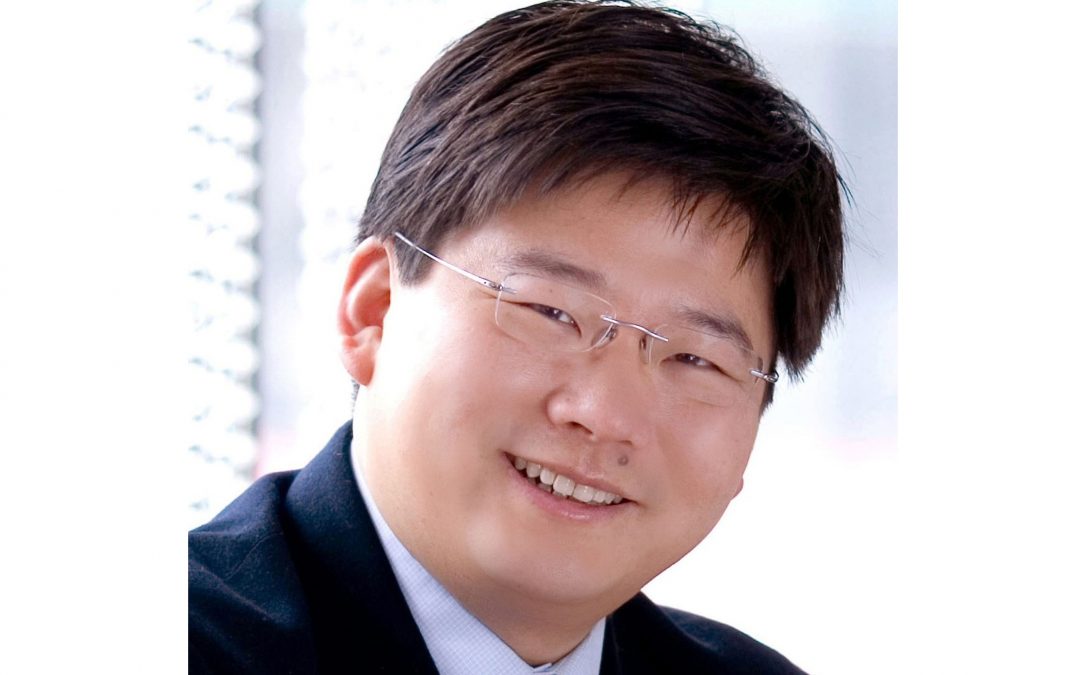
Frank Gu is a Professor in the Department of Chemical Engineering and Applied Chemistry at the University of Toronto, and he holds an NSERC Senior Industrial Research Chair in Nanotechnology Engineering. Before joining the University of Toronto in July 2018, Dr. Gu was an Associate Professor and held a Canada Research Chair in Nanotechnology Engineering at the University of Waterloo. Professor Gu has over 15 years of experience in nanotechnology, drug delivery, and environmental remediation. He has established a frontier research program in Nanotechnology Engineering, with important advances in medical and life science applications. Leading-edge projects have produced new materials and tools for targeted drug delivery, pathogen detection, and water treatment. His research has brought tangible impacts on his field and industry, including mucoadhesive materials for the treatment of Dry Eye Disease that has led to the creation of MyX Therapeutics, and photocatalytic water treatment technologies that created H2nanO Inc; both are Canadian companies. Professor Gu has over 200 peer-reviewed publications and conference proceedings.
Enzyme technology; bioreactors and bioprocesses; industrial applications of enzymes; alternative energy sources; pulp and paper, reactor design and kinetics
Consulting Activity
Bioprocess technology, reactor design and kinetics, occupational health and safety.
About
Brad Saville is a Professor in the Department of Chemical Engineering and Applied Chemistry at the University of Toronto, and is the Faculty Coordinator for Occupational Health and Safety. He obtained his B.Sc. (1985) and Ph.D. (1989) degrees in Chemical Engineering at the University of Alberta, specializing in bioreactors, drug metabolism, and bioprocessing.
Professor Saville is interested in bioprocess technology, with particular emphasis on the performance, characteristics and applications of enzymes to biofuels, in starch processing, and in pulp and paper. He holds several patents related to enzyme technology and the industrial application of biocatalysts. In addition, he has published several articles related to the kinetics and mechanistic aspects of enzyme function, including pharmacokinetics, and is the co-author of “An Introduction of Chemical Reaction Engineering and Kinetics”, published by John Wiley and Sons in 1999.
Professor Saville provides advice on issues related to occupational health and safety, bio/enzymatic processing, general chemical engineering process technology, and technical/process analysis in support of insurance claims and litigation.